The Iran War Reaches the Indian Ocean: A New, Perilous Front Opens
In a dramatic escalation of the ongoing conflict, the war involving the United States, Israel, and Iran has spilled far beyond its traditional Middle Eastern boundaries, casting a long shadow over global maritime security. The recent sinking of an Iranian warship by a U.S. submarine in international waters off the coast of Sri Lanka marks a critical turning point, bringing the conflict directly into the strategic Indian Ocean. This incident has not only intensified international concern over regional stability but also raised critical questions about its far-reaching implications, particularly for nations like India and the trajectory of Indian growth.
A Submarine Attack and Its Grave Consequences
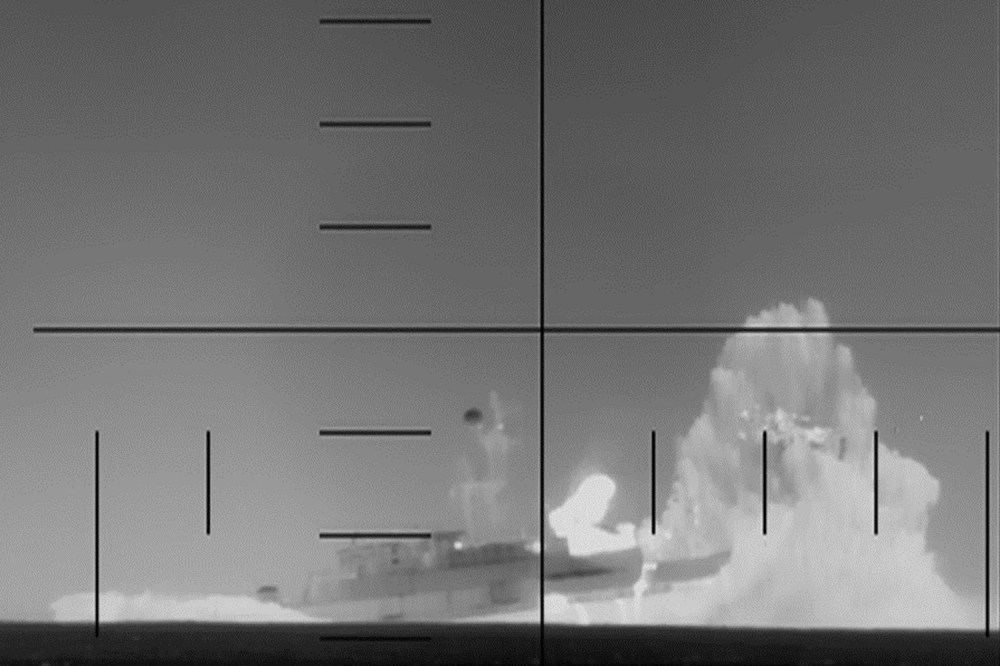
Less than a week into what many are now calling the U.S.-Israel war against Iran, the conflict has seen strikes in more than a dozen countries, resulting in hundreds of casualties. The latest and arguably most concerning development unfolded off Sri Lanka's southern coast, where a U.S. submarine launched a torpedo attack, sinking the Iranian frigate IRIS Dena. This aggressive act in international waters reportedly killed at least 87 people, with approximately 60 others still unaccounted for.
U.S. Defense Secretary Pete Hegseth, in a statement reposted on the U.S. Department of Defense's X account, confirmed the incident, highlighting its historical significance: it was the first time since World War II that an American submarine had attacked a surface vessel. The scale of casualties and the nature of the attack have triggered widespread alarm, transforming the Indian Ocean from a critical global trade route into a potential new battleground. Iran has vehemently denounced the attack, framing it as an act of unprovoked aggression in defiance of international law.
Geopolitical Ramifications and the Widening Vortex of Conflict
The incident near Sri Lanka is not an isolated event but rather a stark indicator of the conflict's expanding geographical footprint. While Iran has denied accusations of firing drones or launching missiles towards Turkish airspace—a claim that NATO air defense systems reportedly intercepted—European Union foreign-policy chief Kaja Kallas articulated a prevailing sentiment: "Iran is exporting the war, trying to expand it to as many countries as they can to sow chaos." Iran, in turn, has placed the blame for several drone attacks on Israel, which has yet to issue a response.
The diplomatic landscape remains equally bleak. Iranian officials, including Araghchi, have voiced deep skepticism about negotiating with the current U.S. administration, citing previous instances where negotiations were allegedly followed by attacks. This mutual distrust, coupled with the declared readiness of the United States and Israel to continue fighting for the foreseeable future, suggests that a diplomatic solution remains elusive, pushing the region further into a dangerous cycle of escalation. The spillover into the Indian Ocean underscores that Global Chaos Spreads: Iran War Beyond Middle East to New Fronts, creating unprecedented challenges for international maritime law and regional stability.
India's Strategic Dilemma and Potential Economic Echoes
The U.S. submarine attack off Sri Lanka holds immense implications for India, given its geographical proximity and its pivotal role as a major power in the Indian Ocean region. This vital maritime expanse is not merely a body of water but a lifeline for global trade, energy supply routes, and strategic communication. For India, a nation heavily reliant on sea lanes for its energy imports and international trade, the prospect of increased militarization and conflict in these waters presents significant challenges.
The Indian government has come under increasing criticism domestically for its silence following the sinking of the Iranian warship. This diplomatic reticence reflects India's complex balancing act between its strategic partnerships, including with the U.S. and Israel, and its longstanding ties with Iran, a crucial energy supplier in the past. However, silence in the face of such a significant regional development can be interpreted in various ways, potentially affecting India's diplomatic standing and its perceived commitment to maritime security.
The most pressing concern for New Delhi revolves around the potential impact on Indian growth. Here's why:
- Energy Security: India is one of the world's largest oil importers, with a significant portion of its energy supply traversing the Indian Ocean. Any disruption to these critical shipping lanes, whether due to direct conflict, increased piracy risks, or heightened insurance premiums, could lead to a surge in oil prices. Such a spike would directly impact India's economy through higher inflation, increased manufacturing costs, and a strain on its foreign exchange reserves, thus hindering its growth trajectory.
- Trade and Commerce: The Indian Ocean is a gateway for India's vast international trade. Escalating conflict would mean higher shipping costs, delays, and potentially the need for longer, alternative routes. This directly impacts India's export competitiveness and import expenses, disrupting supply chains essential for various industries and ultimately slowing economic expansion.
- Investment Climate: Regional instability often deters foreign direct investment (FDI). A volatile Indian Ocean region could make investors wary of committing capital to South Asian economies, including India, thereby limiting crucial inflows needed for infrastructure development and industrial expansion.
- Maritime Security Costs: A more volatile Indian Ocean would necessitate increased spending on naval patrols, surveillance, and defense capabilities by India. While strengthening national security is paramount, such increased expenditure could divert resources from other critical development sectors.
For India, maintaining a peaceful and open Indian Ocean is fundamental to its aspirations as a growing economic power. The current escalation of the Iran war into this critical region, therefore, represents a significant geopolitical and economic challenge that demands careful diplomatic navigation and strategic foresight to safeguard sustained Indian growth.
The Path Forward: Challenges to De-escalation and Global Implications
The U.S. submarine attack near Sri Lanka undeniably raises the stakes in the conflict, expanding its reach and complicating the search for a resolution. The international community faces the daunting task of preventing further escalation and protecting vital global maritime pathways. Respect for international law, freedom of navigation, and diplomatic engagement are paramount to de-escalating the crisis.
However, with key players entrenched in their positions and trust at an all-time low, the prospects for a swift resolution appear distant. The continued silence from some nations, including India, while strategically understandable from a particular vantage point, also highlights the profound diplomatic complexities involved. The broader world watches with bated breath, understanding that the repercussions of a full-blown war in this critical region would be catastrophic, not just for the involved parties but for global trade, energy markets, and the stability of the international order.
Practical Steps for Mitigating Risk
In such a volatile environment, nations with significant stakes in the Indian Ocean, including India, must prioritize strategies that emphasize de-escalation while protecting their national interests. These include:
- Vigorous Diplomatic Efforts: Engaging all parties in dialogue, directly or through intermediaries, to find common ground and reduce tensions.
- Reinforcing Maritime Security: Enhancing naval presence and cooperation with regional partners to ensure the safety of shipping lanes and deter hostile actions.
- Economic Diversification: Reducing reliance on single sources or routes for critical imports (like energy) to build resilience against disruptions.
- International Collaboration: Advocating for adherence to international maritime law and working with global bodies to monitor and address threats in international waters.
The Iran war's arrival in the Indian Ocean serves as a grave reminder of interconnected global security challenges. The incident demands immediate and concerted international attention to prevent further loss of life, uphold international law, and safeguard the economic future of nations heavily dependent on the stability of this crucial maritime domain.