Indian Government Silence on Iran Warship Attack Sparks Backlash as Regional Conflict Threatens Indian Growth
The recent U.S. submarine attack on an Iranian warship off Sri Lanka's southern coast has dramatically escalated the ongoing conflict, pulling the Middle East crisis into the Indian Ocean. This unprecedented naval engagement, resulting in significant casualties, has not only sparked international alarm but also ignited a domestic backlash against the Indian government for its conspicuous silence. As the geopolitical chessboard shifts, the direct impact on India's strategic interests and the broader implications for iran war indian growth are becoming increasingly apparent, demanding a reevaluation of New Delhi's stance.The Indian Ocean Becomes a New Frontline in the Iran War
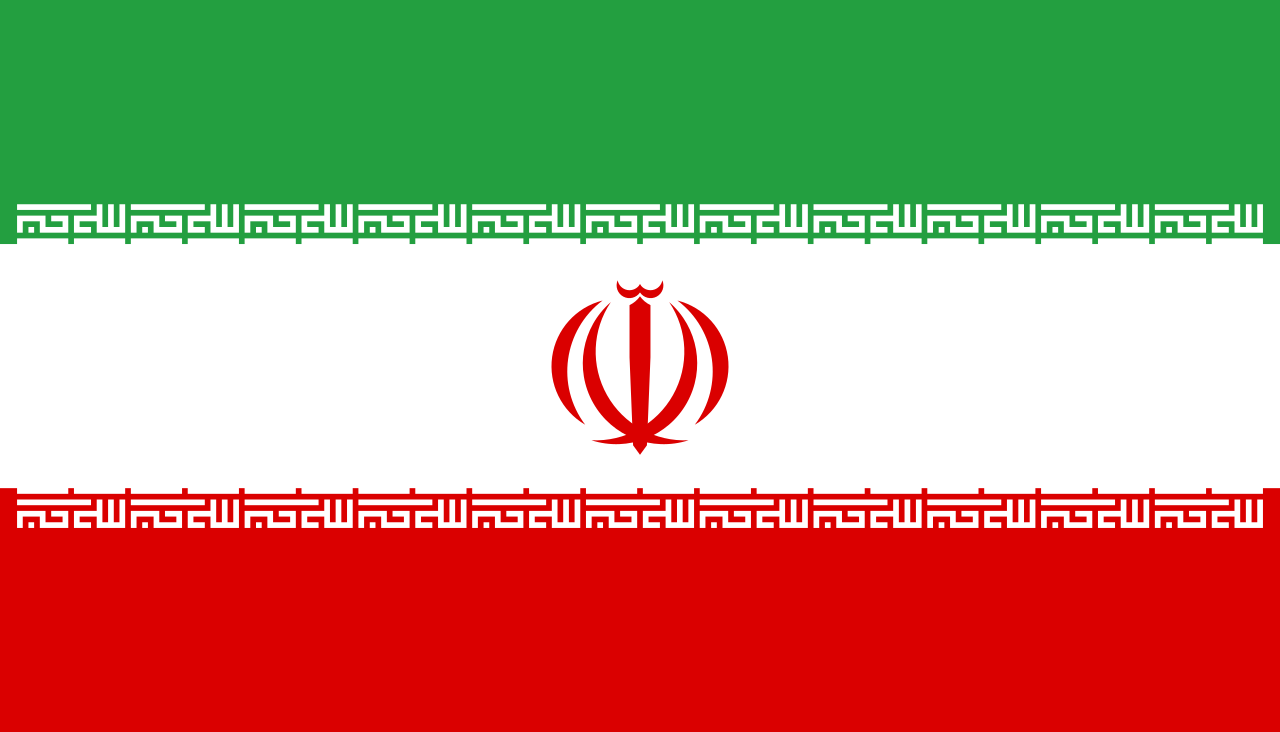
Less than a week into the U.S.-Israel war against Iran, the conflict has already spilled beyond its traditional Middle Eastern confines, impacting numerous nations and claiming hundreds of lives. The latest and perhaps most alarming development saw a U.S. submarine torpedo an Iranian frigate, the IRIS Dena, in international waters near Sri Lanka. This Wednesday attack resulted in at least 87 confirmed deaths, with approximately 60 more personnel still unaccounted for, according to Iranian officials who condemned the act. The incident marks a stark and dangerous precedent, as U.S. Defense Secretary Pete Hegseth reportedly confirmed it was the first time since World War II that an American submarine had attacked a surface vessel. This aggressive move dramatically broadens the geographical scope of the conflict, making the Indian Ocean a critical new theatre. While Iran has vehemently denied involvement in other recent regional provocations, such as missile launches towards Turkish airspace or drone attacks in Azerbaijan—instead pointing fingers at Israel—European Union foreign-policy chief Kaja Kallas has accused Iran of "exporting the war, trying to expand it to as many countries as they can to sow chaos." The U.S. and Israel, meanwhile, have signaled their readiness for a prolonged engagement. For a detailed account of this critical development, refer to our related article: Iran War Reaches Indian Ocean: US Submarine Sinks Iranian Ship.India's Diplomatic Dilemma: Silence Amidst Regional Turmoil
In the wake of such a significant event on its maritime doorstep, the Indian government's silence has been deafening. This lack of official condemnation, concern, or even a statement acknowledging the incident, has drawn considerable criticism from domestic media and policy analysts. India, a rising global power with significant strategic interests in the Indian Ocean, typically maintains a delicate diplomatic balance between major global players. Its historical non-alignment policy, while evolving, often sees it navigate complex geopolitical landscapes carefully. However, the sinking of a warship so close to its maritime boundaries, involving two key partners—the U.S. and Iran—presents a unique challenge. India's silence is likely a manifestation of a complex diplomatic calculus:- Balancing Act: New Delhi seeks to maintain strong strategic partnerships with both the U.S. and Israel, while also nurturing historical ties and energy relations with Iran. Condemning either side could upset this precarious balance.
- Economic Stakes: India relies heavily on the Middle East for crude oil imports and hosts a large diaspora whose remittances are vital. Stability in the region is paramount for its economic well-being.
- Chabahar Port: India's substantial investment in Iran's Chabahar Port, offering a strategic route to Afghanistan and Central Asia, would be severely jeopardized by an escalated conflict.
- Regional Stability Concerns: India fears the broader destabilization of the Indian Ocean region, which is crucial for its trade routes and security.
The Looming Shadow: How the Iran War Impacts Indian Growth
The ripple effects of the Iran War, especially now that it has reached the Indian Ocean, pose significant threats to iran war indian growth trajectories. India, as a rapidly developing economy, is particularly vulnerable to geopolitical instability that disrupts global trade and energy markets.Here’s how the escalating conflict could specifically impact India's economic prospects:
- Energy Security and Inflation: India is the world's third-largest oil importer. Any disruption to crude oil supplies from the Persian Gulf, or increased shipping costs due to heightened risks in the Indian Ocean, would inevitably drive up global oil prices. This directly translates into higher domestic fuel prices, increased manufacturing costs, and inflationary pressures, eroding consumer purchasing power and dampening overall economic growth.
- Disruption to Trade Routes and Maritime Safety: The Indian Ocean is a critical artery for global commerce, connecting East and West. Increased militarization, naval confrontations, and potential blockades or attacks on commercial shipping would severely impact India's extensive maritime trade. Insurance premiums for vessels would skyrocket, and longer, costlier alternative routes might become necessary, significantly affecting India's exports and imports.
- Investment and Foreign Direct Investment (FDI): Geopolitical uncertainty and regional instability are major deterrents for foreign investors. A prolonged or expanding conflict could make the South Asian and Indian Ocean regions appear less attractive for FDI, slowing down crucial capital inflows needed for infrastructure development and industrial expansion, thereby directly hindering Indian growth.
- Impact on Indian Diaspora and Remittances: Millions of Indians live and work in the Middle East. An escalated war could lead to mass displacement, humanitarian crises, and a significant reduction in remittances sent back to India, impacting household incomes and the national economy.
- Strategic Projects like Chabahar Port: India's investment in the Chabahar Port in Iran is strategic, aimed at bypassing Pakistan to access Afghanistan and Central Asia. A full-blown war would render this port and its associated trade corridors unsafe or inoperable, undermining years of diplomatic effort and significant financial outlay.
Navigating the Storm: India's Strategic Imperatives and Potential Pathways
Practical Tips and Strategic Imperatives for India:
- Proactive Diplomacy and De-escalation: India, as a non-permanent member of the UN Security Council and a respected voice on the global stage, should leverage its diplomatic channels to engage all parties—the U.S., Israel, Iran, and regional stakeholders. Advocating for immediate de-escalation, adherence to international maritime law, and a diplomatic resolution is paramount.
- Strengthening Maritime Security: While avoiding direct entanglement, India must bolster its naval capabilities and surveillance in the Indian Ocean to protect its shipping lanes, energy assets, and economic zones. Collaboration with like-minded regional partners (within existing frameworks, carefully avoiding new military alliances that could exacerbate tensions) could enhance collective security.
- Diversifying Energy Sources: Accelerating the transition to renewable energy and actively seeking diversified crude oil suppliers beyond the Middle East can build resilience against future energy shocks. This includes exploring long-term contracts with countries in Africa and the Americas.
- Contingency Planning for Trade and Supply Chains: The government and Indian businesses must develop robust contingency plans for supply chain disruptions, including alternative shipping routes, inventory management strategies, and financial hedging against currency and commodity price volatility.
- Protecting Indian Nationals Abroad: Establish clear evacuation protocols and support mechanisms for the large Indian diaspora in conflict-affected regions.