Global Chaos Spreads: Iran War Beyond Middle East to New Fronts
The specter of conflict, once largely confined to the volatile Middle East, has now undeniably cast its long shadow across the globe. What began as an escalating confrontation involving the U.S. and Israel against Iran has rapidly metastasized, breaching traditional boundaries and threatening to pull an ever-wider circle of nations into its dangerous embrace. In less than a week, strikes have reportedly impacted over a dozen countries, claiming hundreds of lives and sparking international alarm. This geopolitical expansion, particularly into strategically vital regions like the Indian Ocean, carries profound implications, not least for regional powers such as India and its crucial economic trajectory. Understanding the far-reaching consequences of the iran war indian growth connection becomes paramount as the world grapples with this spreading chaos.
The Escalation: From Middle East Heartlands to New Fronts
The initial phase of the conflict quickly transcended localized skirmishes, evolving into a multifaceted confrontation with a rapidly expanding geographical footprint. Europe’s foreign-policy chief, Kaja Kallas, critically remarked that “Iran is exporting the war, trying to expand it to as many countries as they can to sow chaos.” This assessment gained traction as reports emerged of the conflict reaching unexpected territories. For instance, Azerbaijan found itself drawn into the fray, signaling a dramatic shift from previous regional dynamics. While Iran has vehemently denied launching drones or missiles into areas like Turkish airspace, instead blaming Israel for the provocations, the sheer breadth of reported incidents underscores a conflict that defies containment.
This rapid escalation highlights a dangerous new chapter in international relations, where traditional battlegrounds are no longer sufficient to define the scope of warfare. The agility with which the conflict has spread, touching diverse nations and regions, suggests a deliberate strategy aimed at disrupting global stability. For countries bordering these newly affected areas, the threat of spillover is no longer theoretical but an immediate concern, demanding heightened vigilance and complex diplomatic maneuvering.
The Indian Ocean: A New Naval Battleground
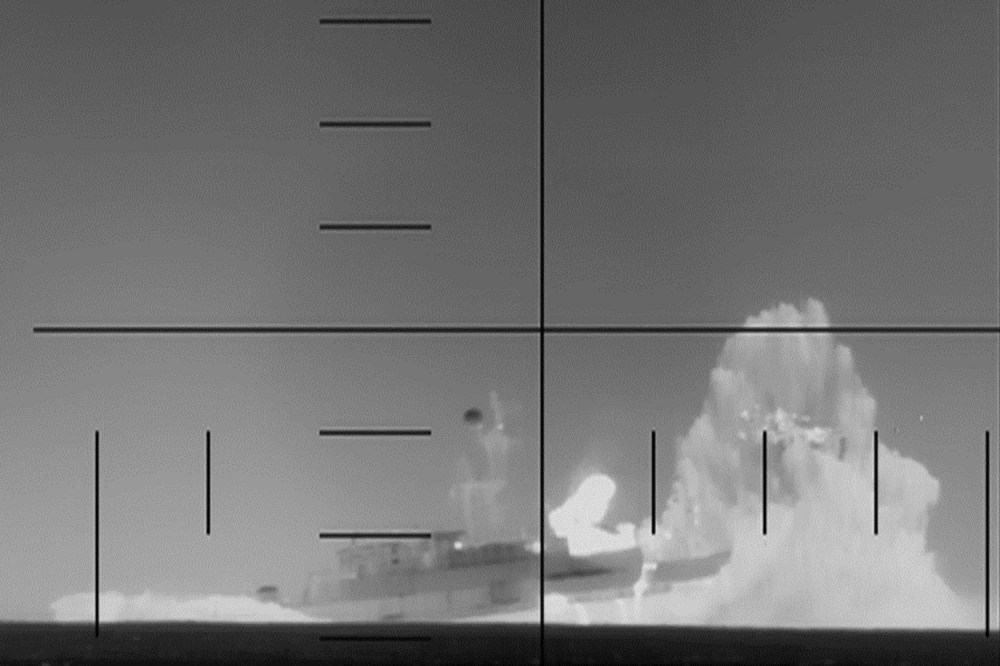
Perhaps the most alarming development in the conflict's expansion, particularly from an Asian perspective, has been its undeniable reach into the Indian Ocean. This critical maritime zone, a lifeline for global trade and energy supply, transformed into a direct front line following a reported U.S. submarine attack. Off the southern coast of Sri Lanka, an American submarine allegedly torpedoed and sank the Iranian warship IRIS Dena in international waters. This unprecedented event, the first time since World War II that a U.S. submarine has attacked a surface vessel, reportedly resulted in the deaths of at least 87 Iranian sailors, with many more missing.
The U.S. Defense Secretary Pete Hegseth's confirmation of the incident, later reposted on social media, solidified the grim reality that the Middle East conflict had migrated thousands of miles eastward. This incident immediately triggered widespread international reactions and amplified concerns about the broader spillover effects of the joint U.S.-Israeli military operation against Iran. The Indian Ocean, a hub for global shipping and a vital conduit for energy resources, now faces the direct threat of militarization and instability. Such events raise fundamental questions about maritime security, freedom of navigation, and the potential for future naval engagements in an area crucial for the global economy.
For a deeper dive into this pivotal event, you can refer to: Iran War Reaches Indian Ocean: US Submarine Sinks Iranian Ship.
India's Delicate Balancing Act and the "iran war indian growth" Nexus
The U.S. sinking of the Iranian warship off Sri Lanka's coast placed India in an exceptionally precarious position. While the international community reacted with varying degrees of concern, the Indian government's silence on the incident sparked considerable domestic criticism. This quiet diplomacy, or lack thereof, can be understood through India's intricate foreign policy tightrope walk, balancing historical ties, energy needs, and strategic partnerships.
Why India's Silence? Navigating Geopolitical Complexities:
- Strategic Autonomy: India prides itself on its independent foreign policy, maintaining good relations with both the U.S./Israel and Iran. Condemning either side could upset this delicate balance.
- Energy Security: India is a major importer of crude oil, with a significant portion coming from the Middle East. Ensuring uninterrupted energy supplies is paramount, making regional stability a core concern.
- Diaspora Concerns: Millions of Indians work in the Gulf region. Any escalation of conflict directly threatens their safety and livelihoods, impacting remittances and potentially creating a humanitarian crisis.
- Economic Partnerships: India has significant trade and investment ties with various Middle Eastern nations, as well as crucial strategic partnerships with the U.S. and its allies.
The Direct Impact on iran war indian growth:
The expansion of the Iran war, particularly to the Indian Ocean, presents several substantial challenges to India's economic growth trajectory:
- Oil Price Volatility: A protracted conflict in the Gulf and Indian Ocean would invariably drive up global oil prices. As a net oil importer, India would face a ballooning import bill, higher inflation, increased manufacturing costs, and potentially slower economic expansion. This is arguably the most immediate and significant threat to Indian growth.
- Disruption of Trade Routes: The Indian Ocean is the arteries of global commerce, through which much of India's trade passes. Increased militarization, heightened security risks, and higher insurance premiums for shipping would lead to supply chain disruptions, increased logistics costs, and a negative impact on both exports and imports, directly affecting India's trade-dependent growth.
- Investment Deterrence: Regional instability and the perception of geopolitical risk can deter foreign direct investment (FDI) into India. Investors may become more cautious, impacting capital inflows essential for infrastructure development and industrial expansion.
- Remittance Reduction: A significant portion of India's foreign exchange comes from remittances sent by its diaspora working in the Middle East. Conflict could lead to job losses, displacement, and a sharp decline in these crucial financial inflows.
- Inflationary Pressures: Beyond oil, disruptions to global supply chains and increased shipping costs will translate into higher prices for various goods and commodities, exacerbating inflationary pressures within India.
Practical Tips for Mitigating Economic Risks:
To safeguard its growth amidst this unfolding crisis, India might consider:
- Diversifying Energy Sources: Expediting investments in renewable energy and exploring new oil and gas suppliers beyond the immediate conflict zones.
- Strengthening Maritime Security: Enhancing its naval capabilities to protect its trade routes and ensure the safety of its vessels in the Indian Ocean.
- Building Strategic Reserves: Increasing its strategic crude oil reserves to cushion against sudden price shocks.
- Robust Diplomatic Engagement: Actively engaging with all parties to promote de-escalation and protect its strategic interests, while reiterating the importance of international law and freedom of navigation.
For more on the domestic reaction to India's stance, see: Indian Government Silence on Iran Warship Attack Sparks Backlash.
Global Repercussions and the Fading Hope for Diplomacy
The escalating Iran war and its geographical expansion carry profound implications for the global order. The European Union's concerns about Iran "exporting the war" resonate across continents, highlighting the interconnectedness of international security. Beyond the immediate parties, the conflict threatens to exacerbate existing global challenges, from energy security to supply chain stability. The lack of a clear off-ramp for de-escalation is particularly troubling.
Iranian officials, for their part, have expressed deep distrust in negotiating with the United States, citing past experiences where alleged negotiations were followed by attacks. "The fact is that we don’t have any positive experience of negotiating with the United States, you know, especially with this administration," said Iranian official Araghchi. "We negotiated twice last year and this year, and then in the middle of negotiations, they attacked us." This sentiment reflects a deep-seated grievance that complicates any potential diplomatic overtures. Meanwhile, the U.S. and Israel have consistently signaled their readiness for a prolonged conflict, indicating that a peaceful resolution remains frustratingly out of reach in the immediate future. This grim reality suggests that the world must brace for continued volatility and uncertainty, with ripple effects touching every corner of the global economy.
Conclusion
The Iran war, once viewed as a regional flashpoint, has tragically evolved into a global crisis, spreading chaos from the Middle East to new, strategically vital fronts like Azerbaijan and the Indian Ocean. The alleged U.S. sinking of an Iranian warship off Sri Lanka underscores the perilous expansion of this conflict, drawing in countries far removed from its traditional epicenters. For India, this expansion, particularly into its maritime backyard, poses a complex geopolitical challenge and a significant threat to its economic aspirations. The connection between the iran war indian growth trajectory is undeniable, as escalating oil prices, disrupted trade routes, and deterred investments threaten to undermine its hard-earned progress. As diplomatic solutions appear increasingly elusive, the international community faces the daunting task of de-escalating a conflict that threatens to reshape global security and economic landscapes, demanding urgent attention to prevent further widespread devastation.